Describe the Barrier Defenses of the Body
The barrier defenses are not a response to infections but they are continuously working to protect against a broad range of pathogens. The first line of defence or outside defence system includes physical and chemical barriers that are always ready and prepared to defend the body from infection.
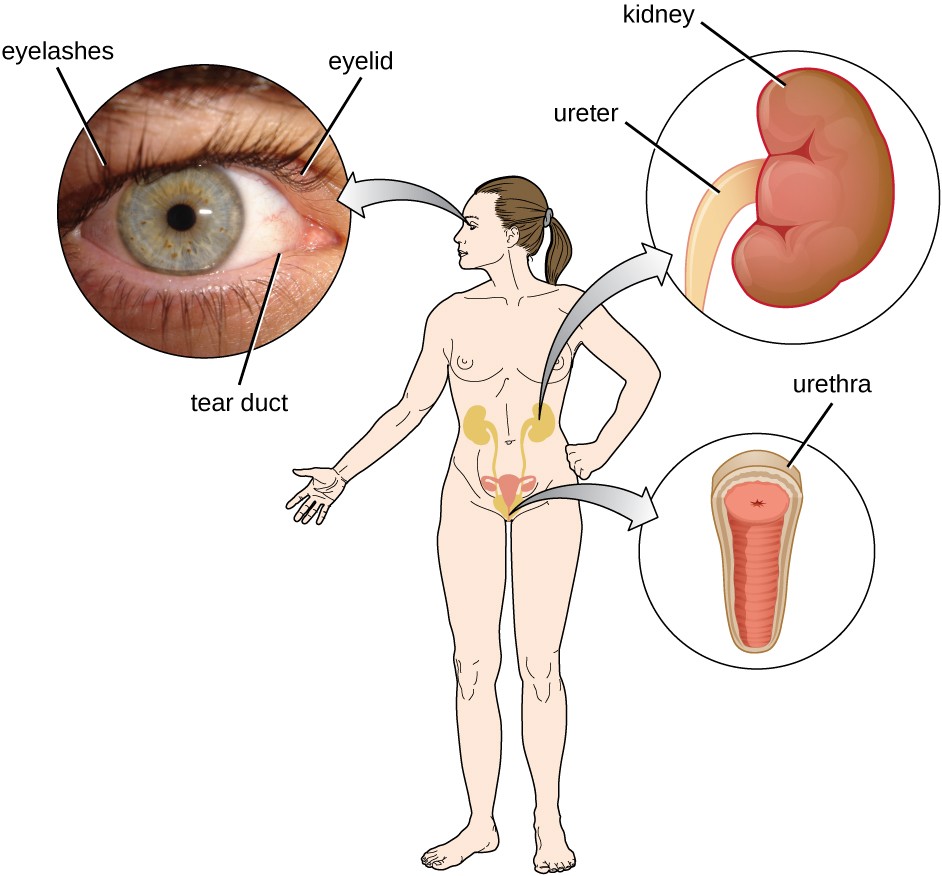
Physical Defenses Microbiology
The physical defenses of innate immunity include physical barriers mechanical actions that remove microbes and debris and the microbiome which competes with and inhibits the growth of pathogens.
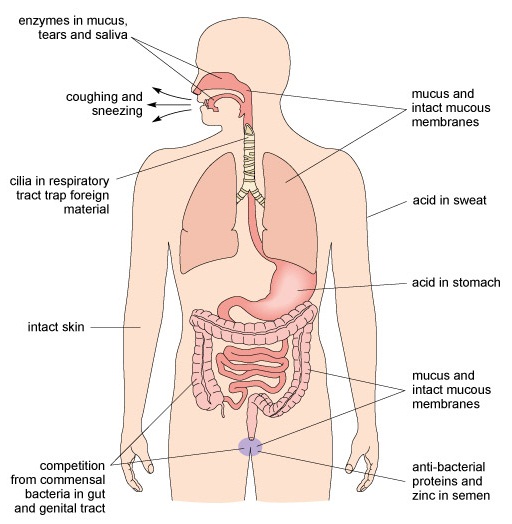
. Physical and Chemical Barriers Innate Immunity 2. Superficially the skin has multiple layers of dead keratinised epithelium which is continuously sloughed off facilitating the removal of any adherent microbes. Up to 24 cash back Barriers Keeping Pathogens Out.
Physical Barriers The human body constantly faces attack from foreign invaders that can cause infection and disease. The first line of defense includes the skin breathing passages and stomach which function as barriers to the invading pathogens. In addition to physical barriers that keep microbes out the body has a number of mechanical defenses that physically remove pathogens from the body preventing them from taking up residence.
What is accomplished by using a combination of cellular and molecular responses. Provide examples of barriers that keep pathogens and parasites out of the body. QUESTION 1 Describe the barrier defenses of the body.
Read more has a series of effective barriers including stomach acid Stomach The stomach is a large bean-shaped hollow muscular organ consisting of three regions. Physical Defenses of Nonspecific Innate Immunity Defense Examples Function Cellular barriers Skin mucous membranes endothelial cells Deny entry to pathogens Mechanical defenses Shedding of skin cells mucociliary sweeping peristalsis flushing action of urine and tears. Second line of defense can be described in general too.
Barrier defenses are part of the bodys most basic defense mechanisms. The different modes of barrier defenses are associated with the external surfaces of the body where pathogens may try to enter. The barrier defenses are not a response to infections but they are continuously working to protect against a broad range of pathogens.
A eyes b skin c gastro respiratory tract and e urinary tract 1. The digestive respiratory and integumentary systems aid in the bodys external defense against germs and leukocytes create antibodies as an internal defense. These barriers trap and kill the majority of invading pathogens we come in contact with.
The Immune System has 3 Lines of Defense Against Foreign Pathogens. The primary barrier to the. Intestinal tract that site If a splinter of wood were to enter the skin and introduce microorganisms to what specific early and late events of inflammation would.
Explore the components of the bodys. Barrier defenses are part of the bodys most basic defense mechanisms. The skin mucous membranes and endothelia throughout the body serve as physical barriers that prevent microbes from reaching potential sites of infection.
The di erent modes of barrier defenses are associated with the external surfaces of the body where pathogens may try to enter Table 1. The largest barrier comprises the skin which has a large surface area and covers most of the bodys external surfaces. -epithelial tissue skin - epidermis stratified keratinized hair to.
Hose defenses involving anatomical barriers sensor systems that recognize patterns associated with microbes or tissue damage phagocytic cells and the inflammatory response macrophage type of phagocytic cell that resides in tissues and has multiple roles including scavenging debris and producing pro-inflammatory cytokines. These invaders range from living microbes MY-krobes such as bacteria fungi parasites and viruses to nonliving toxins chemicals and drugs. The primary barrier to.
Table 172provides a summary of the physical defenses discussed in this section. However there is no single immune system like the other organ systems we have been covering in this course. List the two non-specific innate defenses and the two specific acquired defenses.
Anatomy and Physiology questions and answers. First describe the physical and chemical barriers in general. Bodys most basic defense mechanisms.
Cardia Body fundus Antrum See also Overview of the Digestive System read more pancreatic enzymes Pancreas The pancreas is an organ that contains two types of glandular tissue. Fortunately the body has a number of external and internal safeguards that prevent most dangerous invaders. Pancreatic acini Islets of.
The bodys defenses against pathogens are often called the immune system. We have already discussed several examples of mechanical defenses including the shedding of skin cells the expulsion of mucus via the mucociliary escalator and the excretion. Nonspecific Resistance Innate Immunity 3.
The primary barrier to the entrance. The different modes of barrier defenses are associated with the external surfaces of the body where pathogens may try to enter. These include your skin tears mucus cilia stomach acid urine flow friendly bacteria and white blood cells called neutrophils.
We have already discussed several examples of mechanical defenses including the shedding of skin cells the expulsion of mucus via the mucociliary. These barriers provide a physical block against pathogens. Describe the physical or anatomical barriers at the following body sites andexplain how they accomplish body defense.
In addition to physical barriers that keep microbes out the body has a number of mechanical defenses that physically remove pathogens from the body preventing them from taking up residence. Physical mechanical chemical biological. Barrier defenses are part of the bodys most basic defense mechanisms.
Specific Resistance Acquired Immunity Physical and Chemical Barriers Innate Immunity Physical and chemical barriers form the first line of defense when the body is invaded. 3rd line of defense. The barrier defenses are not a response to infections but they are continuously working to protect against a broad range of pathogens.

Barrier Defenses And The Innate Immune Response Anatomy And Physiology Ii
Infection And Immunity Openlearn Open University

Chapter 24 Barrier Defenses And The Innate Immune Response Bio 140 Human Biology I Textbook Libguides At Hostos Community College Library


Comments
Post a Comment